Dieppe, Moncton, or Riverview. Where do you actually fit?
Each one feels different. Here's how to think about it.

Three Cities, One Region, Very Different Lives
It Looks the Same Until You Actually Live It
From the outside, Greater Moncton can feel like one place with three different names. People hear Dieppe, Moncton, and Riverview and assume it's all the same area, just divided on a map. That's usually how the search starts. Price, proximity, maybe school zones. Logical things. But once you spend real time here, something shifts. The differences aren't loud, they're felt. It shows up in how busy a morning feels, how quiet an evening is, how long it takes to get somewhere, and even the kind of people you see around you day to day. Each city carries its own rhythm, its own pace, and its own way of moving through life, and where you land starts shaping your routine more than most people expect. At some point, it stops being about what looks best on paper and becomes about what actually fits how you want to live.
Moncton: Where Everything Connects
Moncton is the centre, and you feel that immediately without needing to look for it. It's where things happen. Restaurants, events, shopping, movement, it all naturally pulls you in, and you don't have to plan your life around access because you're already in it. There's a convenience to that which a lot of people underestimate at first. Being able to run errands quickly, meet friends without driving across regions, or just have options around you at any time changes how your days feel. The neighbourhoods themselves vary quite a bit, from older, established areas with character to newer developments in the north that offer something more modern, so there's flexibility depending on what stage you're in. But with that comes energy. More traffic, more noise, more pace, and that's not neutral. Some people thrive in it. Others feel overwhelmed faster than they expected. Moncton tends to attract people who want access, variety, and a sense that they're in the middle of things without needing to create it. If your version of life includes movement, options, and convenience built into your environment, this is usually where it clicks without much effort.
Dieppe: Growth, Structure, and Identity
Dieppe feels different in a quieter, more intentional way. You see it in how it's built, in the newer subdivisions, the parks, the walking trails, and the way the community has been developed to support long-term living. There's a sense of structure to it that people either immediately connect with or don't. It feels clean, organized, and planned, which creates a different kind of comfort. There's also a strong bilingual culture here, and that shapes the experience more than people expect before moving. It's not just about language, it's about how schools operate, how communities connect, and how daily life flows. For many families, that becomes a deciding factor. Dieppe tends to attract people who want something newer, who value that sense of order, and who like the idea of being close to Moncton without being fully inside its pace. The growth is steady and visible, but it doesn't feel chaotic. It feels like it's moving forward with intention. That balance between modern living, cultural identity, and proximity is what makes Dieppe feel right for a lot of buyers who are thinking beyond just the property itself.
Riverview: Slower, Quieter, and Grounded
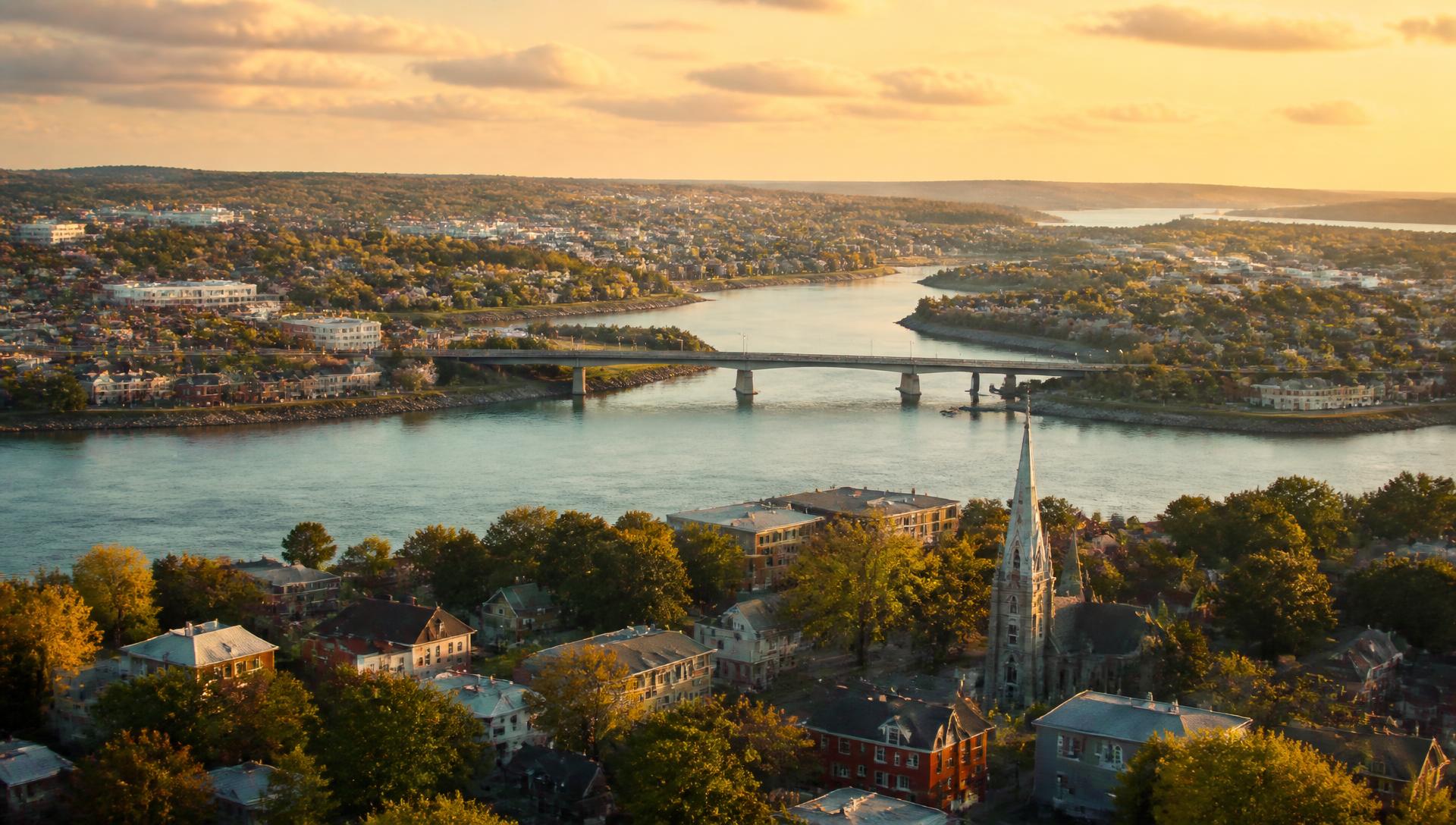
Riverview shifts the pace the moment you cross the bridge, and it's something you notice without needing to explain it. It's not far, but it feels separate in the right way. More residential, more established, and noticeably quieter. The neighbourhoods are mature, the streets are calmer, and there's a steadiness to the day-to-day that people often don't realize they're looking for until they experience it. You're still minutes from Moncton, but you're not inside it, and that separation creates a different kind of lifestyle. Less noise, less traffic, more space to breathe, and a rhythm that feels more predictable. Riverview tends to attract people who want that consistency, who want to come home to something calmer without giving up access to everything nearby. It's also the kind of place where people settle in and stay, not because they have to, but because it works long-term. For a lot of buyers, especially families or people stepping out of busier environments, that feeling of stability becomes the deciding factor more than anything else.
The Part No One Can Really Tell You
This isn't something you fully figure out by reading, and that's where most people get stuck. You can compare numbers, look at listings, and try to make a logical decision, but the final choice usually isn't logical. It's a feeling. It's how a street sounds early in the morning, how traffic builds in the afternoon, how comfortable you feel walking into a local coffee shop, and whether you can actually see yourself living your routine there without forcing it. These are the details that don't show up in listings or data, but they're the ones that shape your life once you move. The differences between Dieppe, Moncton, and Riverview aren't dramatic on paper, which is why they're easy to overlook, but in real life, they become very clear once you stop analyzing and start experiencing.
How to Actually Decide
If you want to get this right, you have to experience it for yourself. Not just one quick drive through, but intentional time in each area. Go in the morning when people are heading to work, go in the evening when things slow down, and go on the weekend when the pace shifts again. Stop somewhere simple, a coffee shop, a park, a street that catches your attention, and just sit for a few minutes. Pay attention to how it feels, not just how it looks. Think about what your commute would actually be, where you'd go for groceries, how your evenings would unfold, and what your day would naturally look like without trying to force it. Most people overcomplicate this part by trying to compare everything side by side, but the answer usually shows up quickly once you start placing yourself inside each option instead of analyzing them from the outside.
Final Thought
There isn't a right or wrong choice here, and that's what makes this decision harder than people expect. Dieppe, Moncton, and Riverview each offer something real, and the people who end up happiest are the ones who chose based on the life they actually wanted to build, not just what looked good at the time. When it fits, you feel it in a way that doesn't need to be explained. And once you feel that, the decision stops feeling complicated and starts feeling obvious.